Frequently Asked Questions
How to install a wood burning fireplace insert?
Installing a wood-burning fireplace insert involves: measuring and prepping the existing fireplace and flue, installing a proper chimney liner, positioning and sealing the insert, connecting venting, and having a certified technician inspect and certify the installation for safety.
What is a fireplace insert?
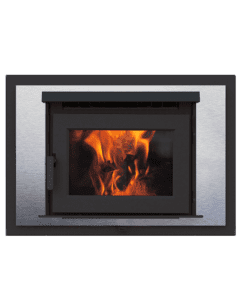
A fireplace insert is a sealed, efficiency-enhancing unit installed into an existing fireplace opening to convert it to wood, gas, pellet, or electric heat, increasing warmth, reducing emissions, and improving safety and efficiency.
How to build an indoor fireplace and chimney?
Building an indoor fireplace and chimney requires proper foundation, masonry or factory-built insert, correct flue and venting, fireproof surround, local permits and code compliance, and hiring a certified installer for safe installation and inspection.
How to build fireplace hearth raised?
Building a raised fireplace hearth involves measuring height and clearances, constructing a sturdy fire-rated platform, installing cement backer and refractory mortar, setting stone, tile or preformed hearth, and ensuring local code clearances; consult a professional for gas or complex installs.
How do I install wood burning fireplace inserts?
Installing wood-burning fireplace inserts involves: measuring the existing firebox, installing a chimney liner and hearth pad, setting and securing the insert, connecting venting, sealing trim, and completing a professional inspection and permit compliance.
What are the main benefits of fireplace inserts?
The main benefits of fireplace inserts are: increased heating efficiency and heat output, lower energy costs and emissions, reduced drafts and maintenance, safer, cleaner burn with various fuel options, and easy retrofit to improve existing fireplaces' performance and aesthetics.
Are fireplace inserts efficient for heating my home?
Fireplace inserts are an efficient option for heating your home: modern wood, gas, and electric inserts greatly improve heat output and efficiency over open fireplaces, provide zone heating, and can lower energy costs when properly sized and installed.
Which wood burning insert fits my existing fireplace?
The wood-burning insert that fits your existing fireplace depends on the firebox opening, flue size and condition, venting type, and required clearances; measure the opening and consult Chimney Doctors of Colorado for exact model recommendations and professional installation.
Can professional installers install my wood fireplace insert?
Professional installers can install wood fireplace inserts: certified technicians assess chimney condition, venting, clearances, and local codes; supply proper liners and seals; and provide safe, tested installation with warranty support.
How is a new indoor fireplace chimney constructed?
The construction of a new indoor fireplace chimney involves: main idea — installing a code‑compliant, insulated flue with a proper hearth and chimney shaft (masonry or prefabricated), flashing and cap, appliance connection, and adherence to local codes and clearances.
What materials are needed for building indoor fireplaces?
Materials needed for building indoor fireplaces are: masonry or steel firebox and firebrick, refractory mortar, flue/chimney liner (stainless or clay), hearth facing (stone/tile), insulation and flashing, venting components, gas line or wood-burning grate and damper.
Is building an indoor fireplace a complex project?
Building an indoor fireplace is a complex project: the main issues are permits, structural modifications, venting, fuel choice and code/safety compliance, so professional design and certified installation are strongly recommended.
How are raised fireplace hearths properly built?
Raised fireplace hearths are properly built by constructing a solid, noncombustible foundation and support, installing required thickness and clearances, extending the hearth to code, using masonry or approved materials, and sealing/anchoring per manufacturer and local building codes.
What materials work best for raised fireplace hearths?
Materials that work best for raised fireplace hearths are noncombustible, heat‑resistant options like natural stone (granite, slate, soapstone), brick or refractory brick, poured or precast concrete, and high‑temperature tile for durability, safety, and aesthetics.
Do I need permits for building fireplace hearths?
Permits for building fireplace hearths depend on local building codes and project scope: many jurisdictions require permits for new masonry hearths, structural changes, or gas/electrical connections—check Conifer/Jefferson County codes and consult Chimney Doctors of Colorado.
How much does a custom fireplace hearth cost?
The cost of a custom fireplace hearth is: pricing varies by material, size and installation; expect about $500–$5,000+ for custom hearths, with natural stone and full masonry installations at the higher end.
Should I hire professionals for chimney construction projects?
Hiring professionals for chimney construction projects is recommended: they ensure code compliance, structural safety, efficient flue design, proper materials, and permit handling, reducing fire risk and saving time while providing warranties and local expertise.
What are the safety requirements for indoor fireplaces?
The safety requirements for indoor fireplaces are: main issues are certified installation, proper clearances and hearths, correct venting and CO detectors, regular chimney cleaning/inspection, and compliance with local codes and manufacturer instructions.
How long does a fireplace insert installation take?
The time to install a fireplace insert is typically: three to six hours for a straightforward swap, up to a full day if venting or masonry work is needed, and sometimes two days for complex chimney modifications.
Are there different styles of wood fireplace inserts?
Different styles of wood fireplace inserts are: traditional cast-iron, contemporary flush/zero-clearance, large-view glass, freestanding insert stoves, and catalytic or non-catalytic units for varied aesthetics and heating performance.
How deep must a raised fireplace hearth be?
The required depth of a raised fireplace hearth is generally 16 inches in front of the opening (20 inches if the opening is 6 sq. ft. or larger), with at least 8 inches to each side, per code.
Can fireplace inserts improve my home heating efficiency?
Fireplace inserts improve home heating efficiency by increasing heat output, reducing heat loss and drafts, and enabling more efficient combustion and heat distribution, which lowers fuel use and keeps living spaces warmer.
What tools are required for fireplace chimney construction?
The tools required for fireplace chimney construction are: masonry trowels, brick hammer, chisels, jointer, mortar mixer or hoe, wheelbarrow, spirit level and plumb bob, tape measure, scaffolding or ladder, flue liner and sealing tools, metal flashing tools and safety gear.
How do I maintain my wood burning fireplace insert?
Maintenance of a wood-burning fireplace insert includes regular ash removal and glass cleaning, checking gaskets and seals, burning seasoned hardwood, annual chimney sweep and creosote inspection, and following the manufacturer’s service guidelines or scheduling professional tune-ups.
Do raised hearths provide better fireplace heat distribution?
Raised hearths provide better fireplace heat distribution: they boost radiant warmth at seating height and aid room circulation, but effectiveness depends on fireplace type, room layout, venting, and whether blowers or ducts are used.
What building codes govern new indoor fireplace installation?
The building codes that govern new indoor fireplace installation are: the International Residential Code (IRC) and local amendments, NFPA 211 (Chimneys, Fireplaces, and Vents), NFPA 54 for gas appliances, plus local codes, permits, and manufacturer instructions.
How can professionals assess my existing chimney structure?
Professional assessment of an existing chimney structure includes: visual and borescope inspections, flue liner and mortar evaluation, creosote and moisture checks, foundation and crown integrity assessment, and documented recommendations for relining, repairs, or rebuilding.
Is custom chimney design available from the company?
Custom chimney design is available: Chimney Doctors of Colorado offers tailored chimney and masonry designs to match your fireplace, home style, and local building codes, including on-site consultations, engineering options, and professional installation and permits.
What factors influence fireplace insert sizing choices?
Factors that influence fireplace insert sizing choices are: room size and heat load, existing fireplace or flue dimensions, fuel type and efficiency, desired heat output and burn time, clearance and building-code requirements, and aesthetic proportions to your home.
Does the business offer fireplace chimney repair services?
The business offers fireplace chimney repair services: Chimney Doctors of Colorado provides chimney repair, inspection, and maintenance by appointment—contact us for estimates, scheduling, and service details.